The Key Shop
We are located @ Trem Y Gaer, in the High Street Criccieth By the Post Office.

We supply many types of Keys and Locks for the Automotive and the Domestic markets.
Cylinder Keys
Mortise Keys
Dimple Keys
Security Keys

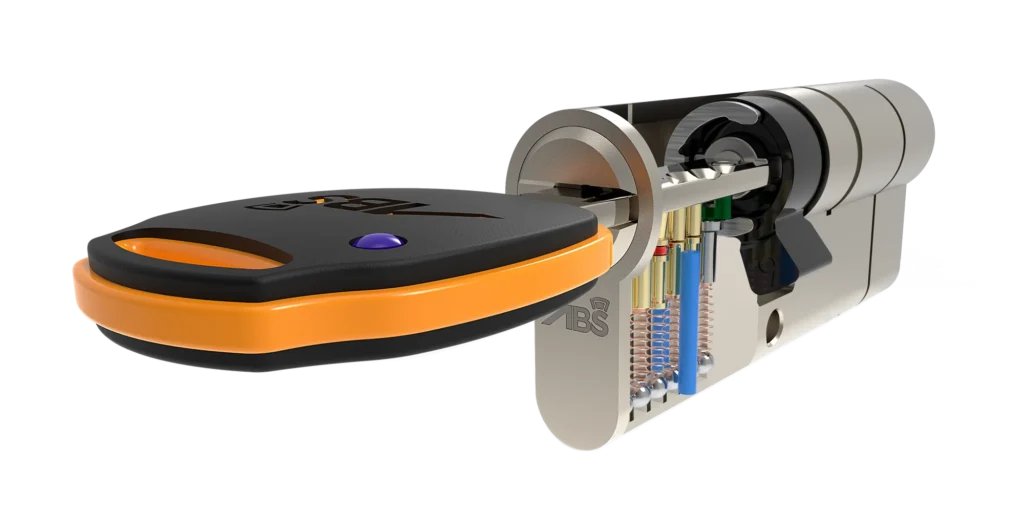
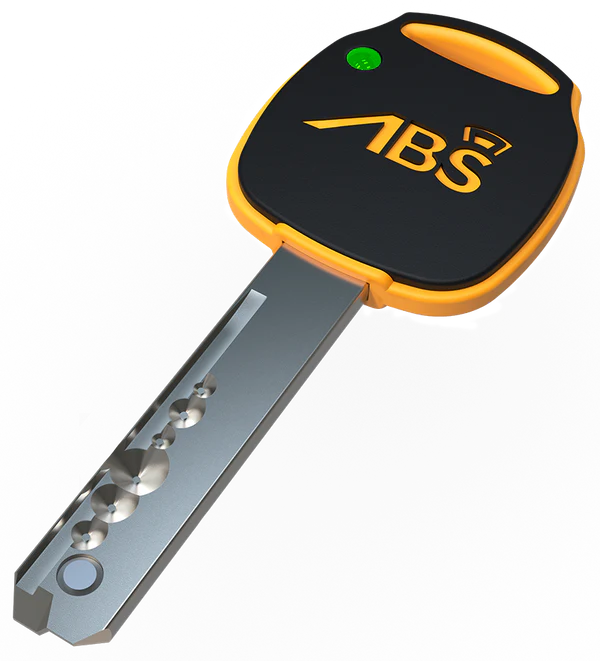
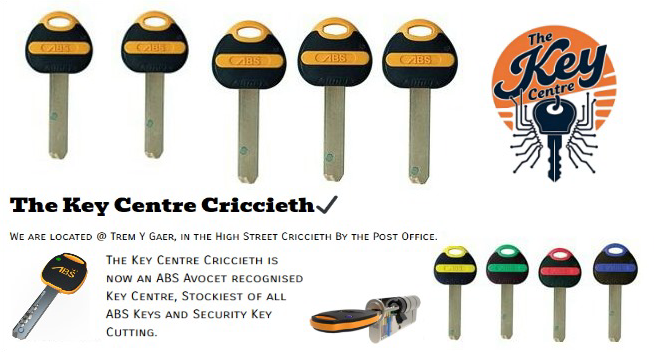
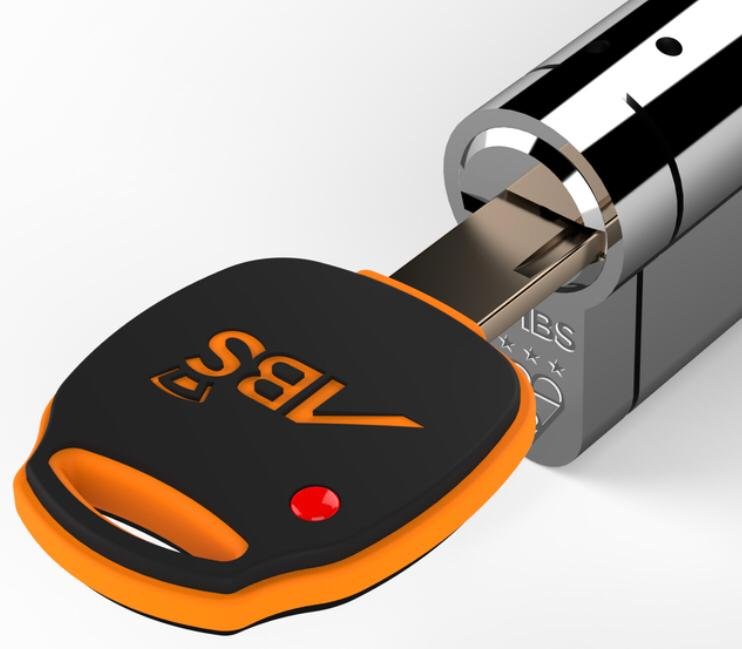
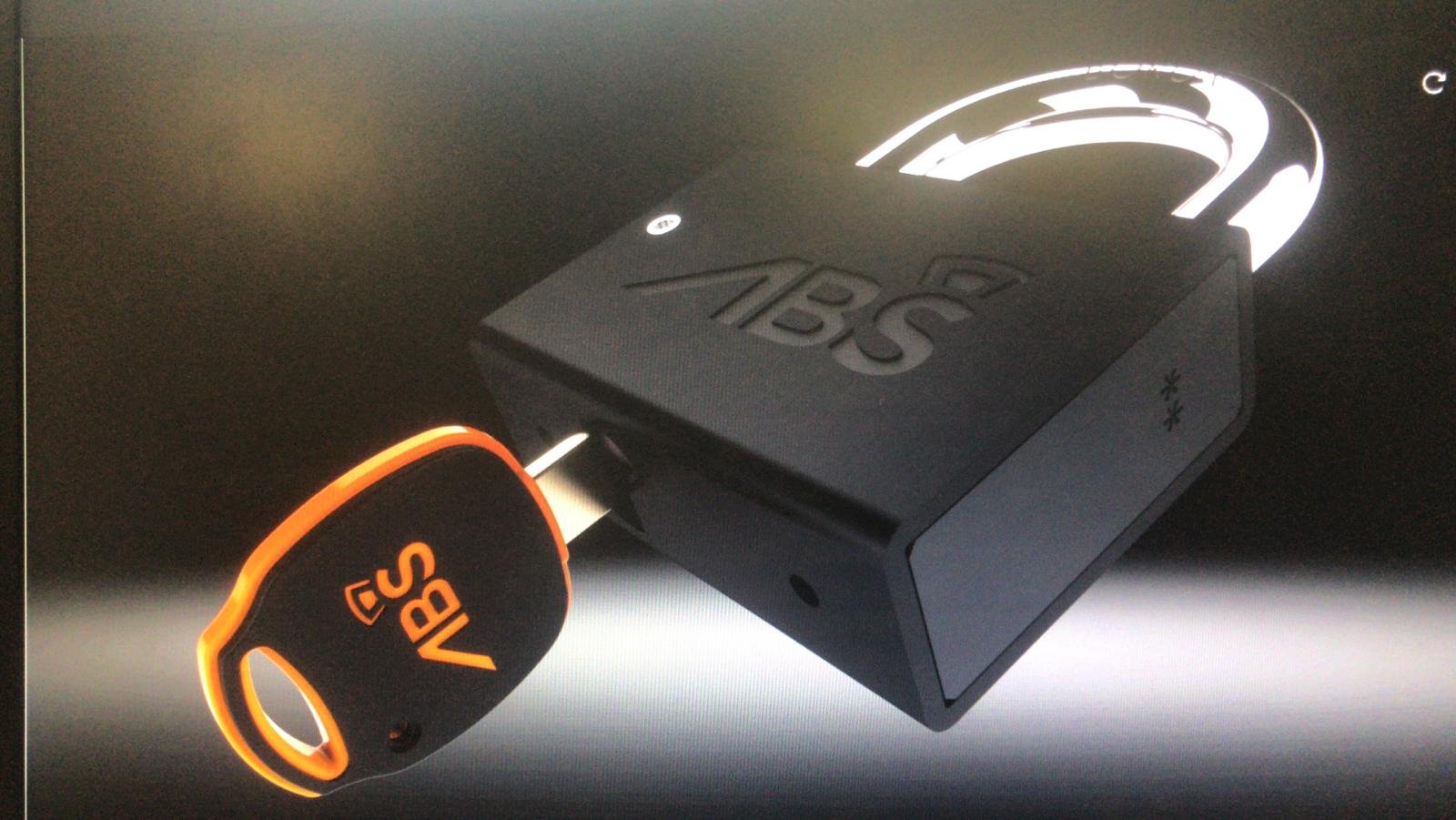
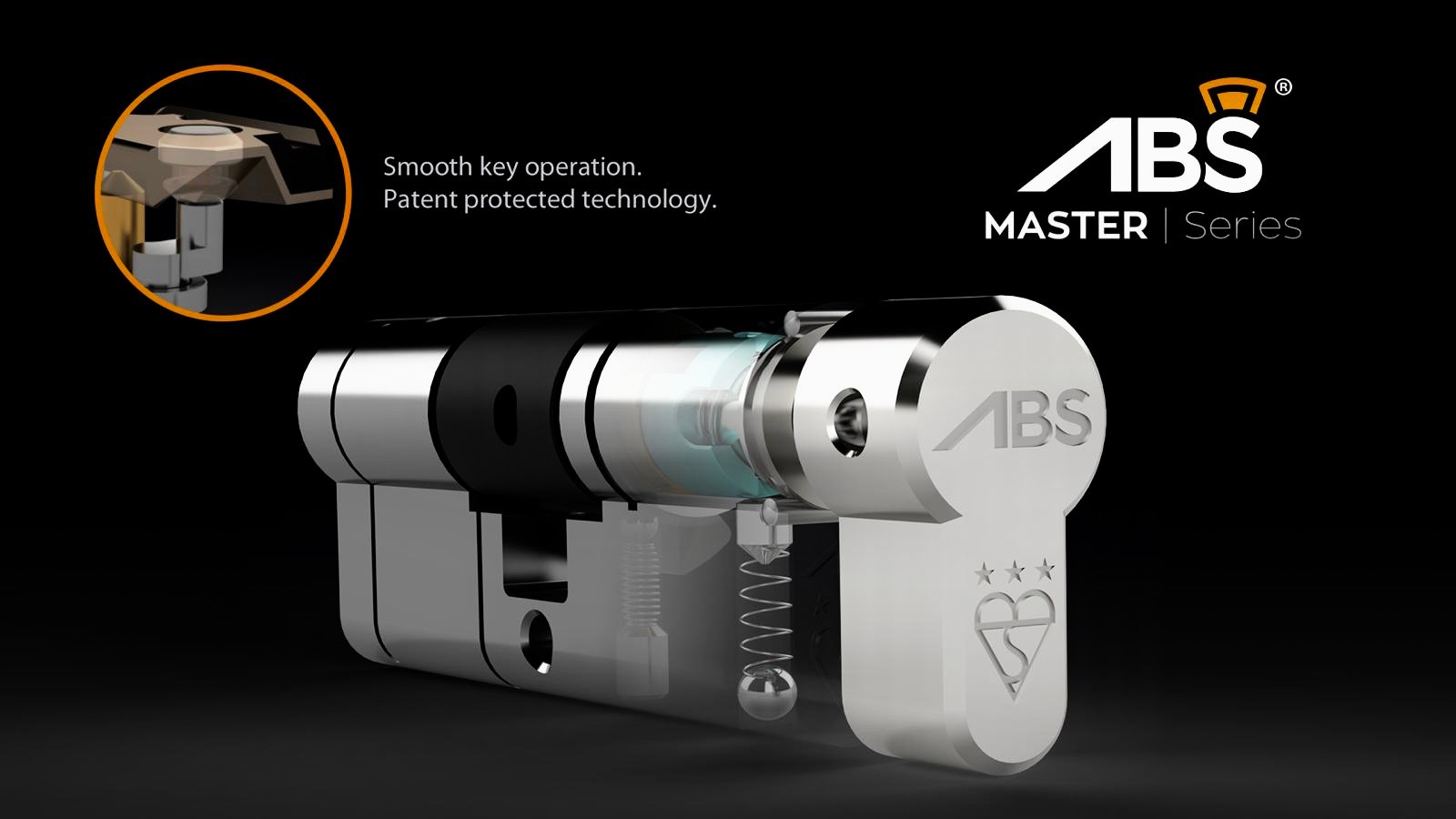
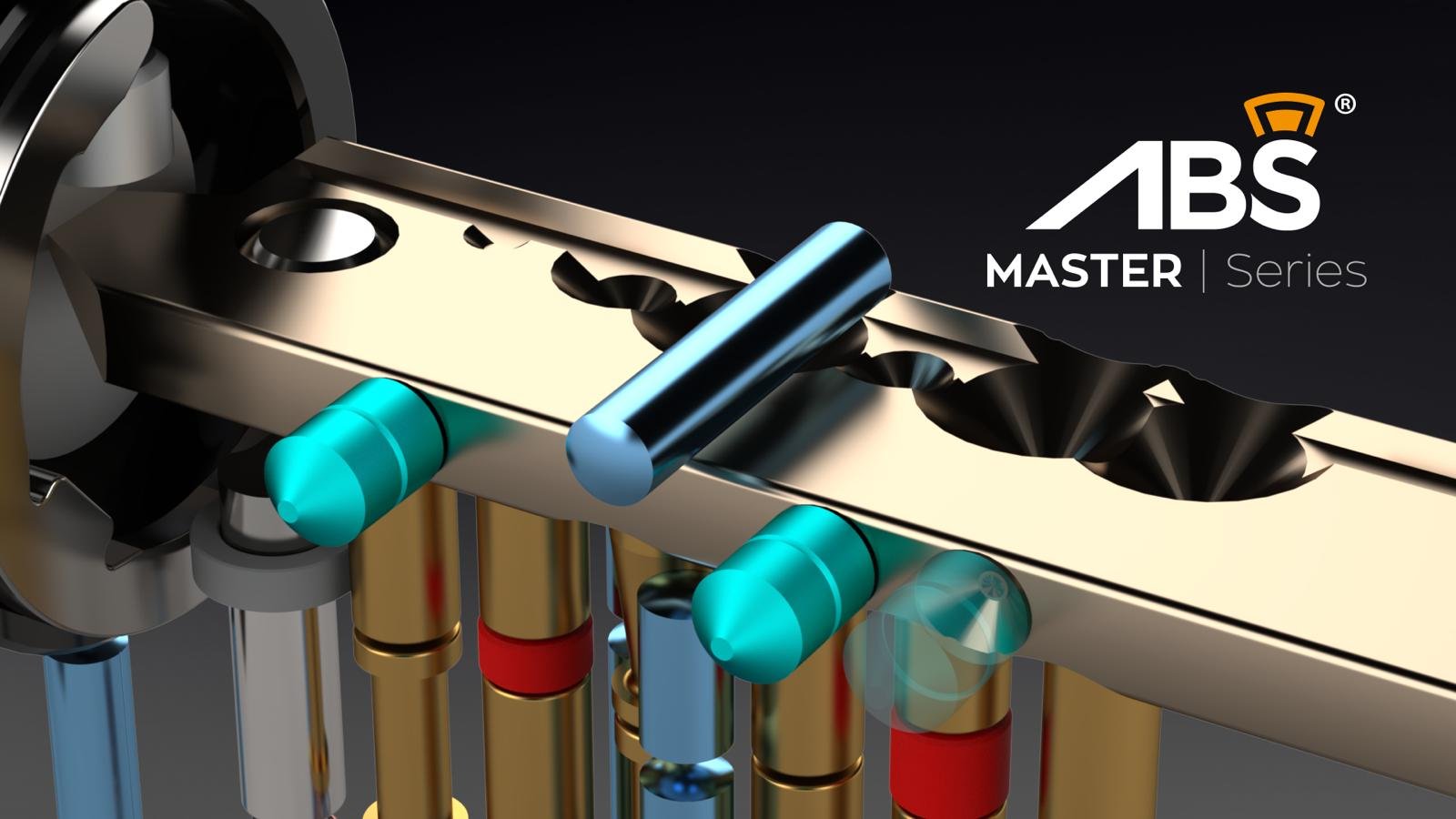
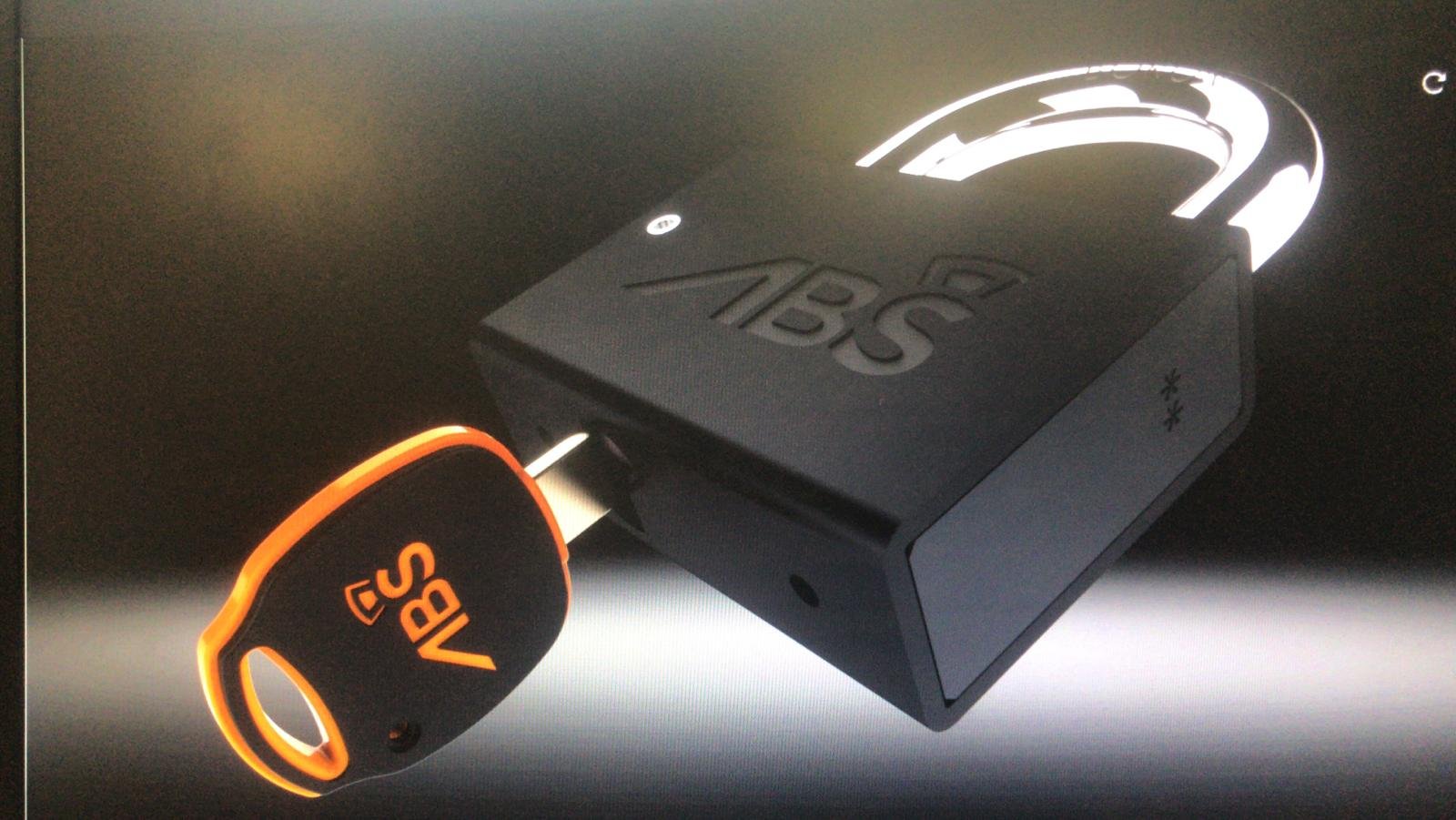
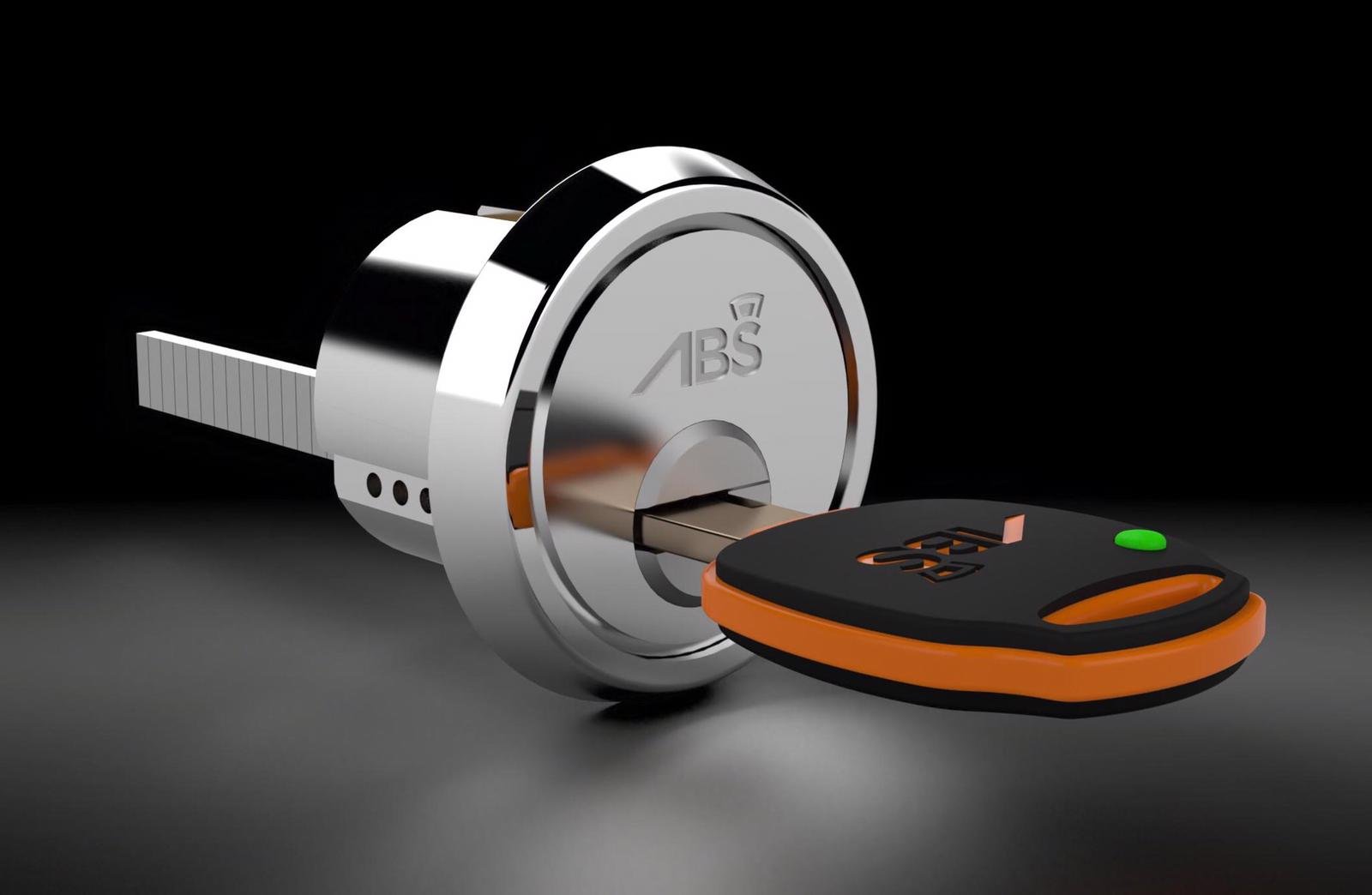
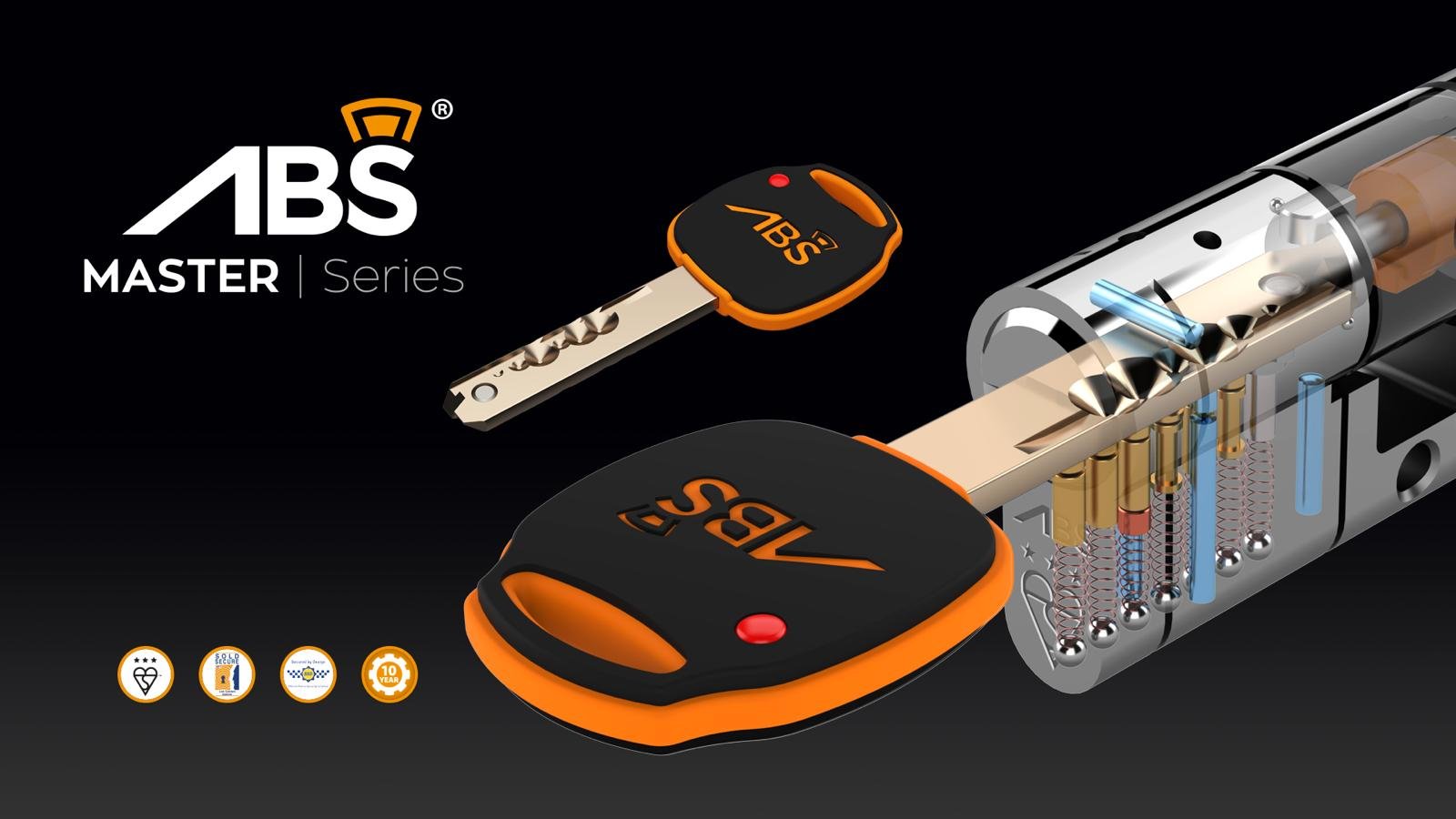
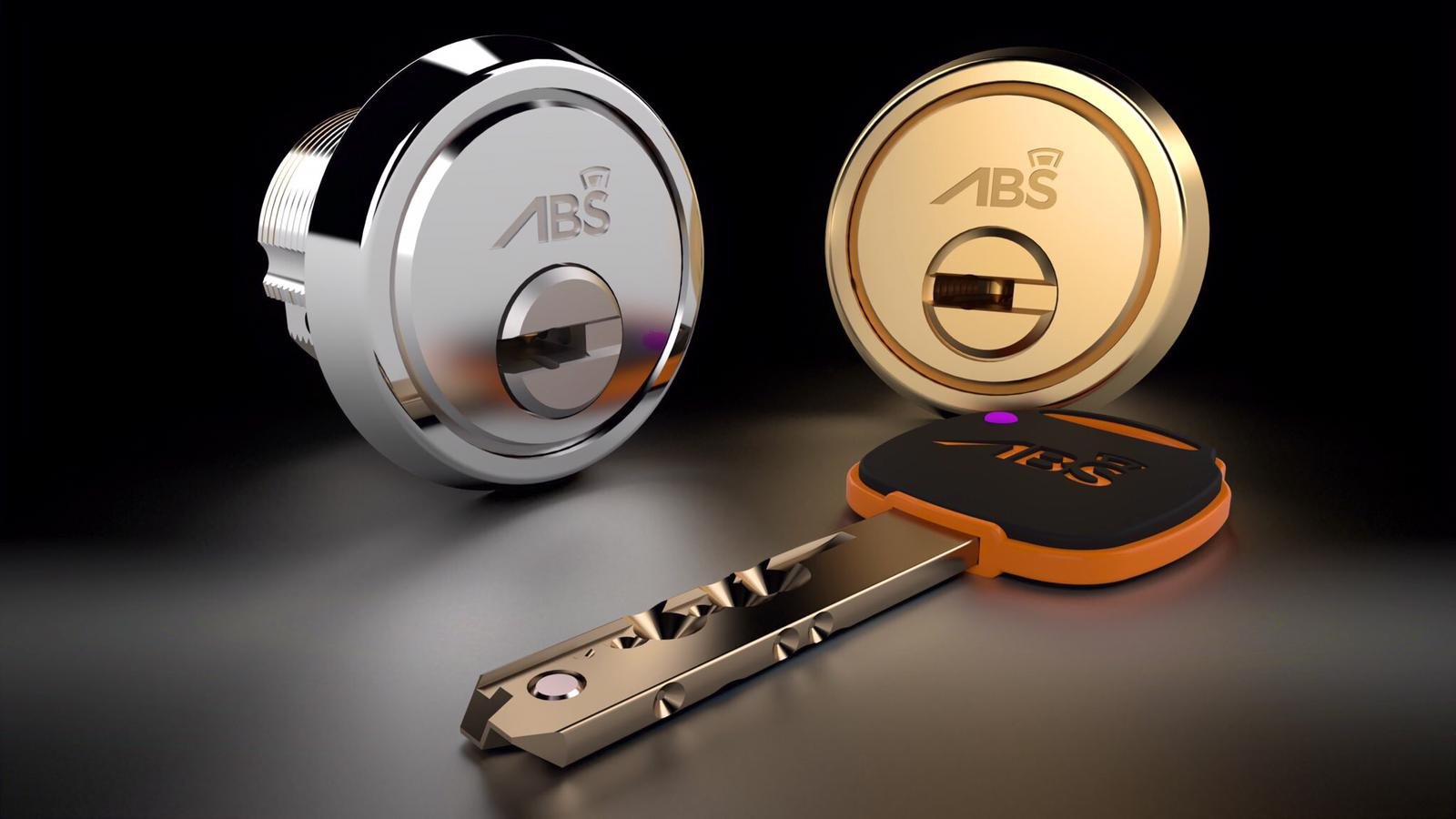
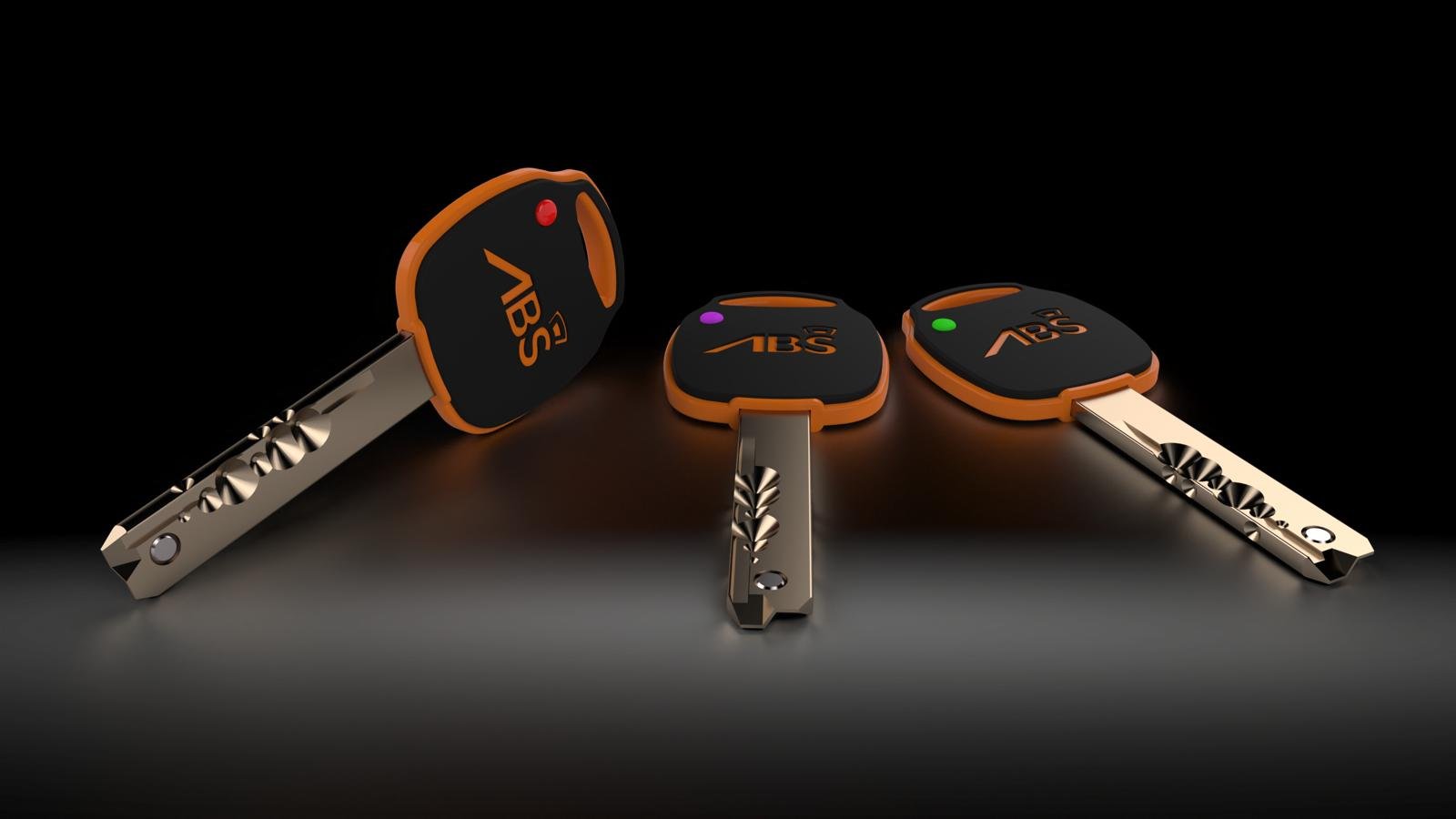
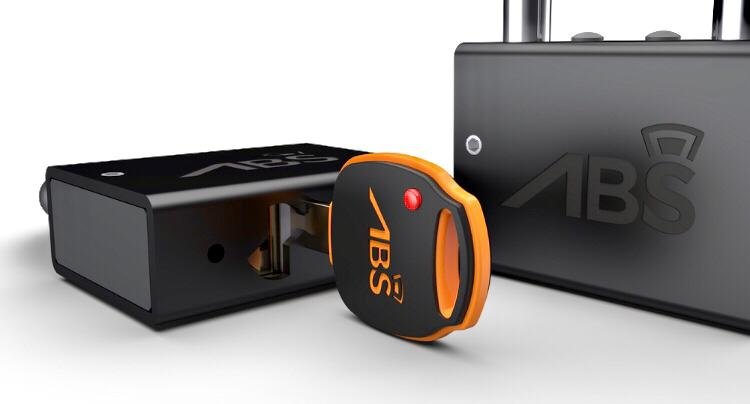
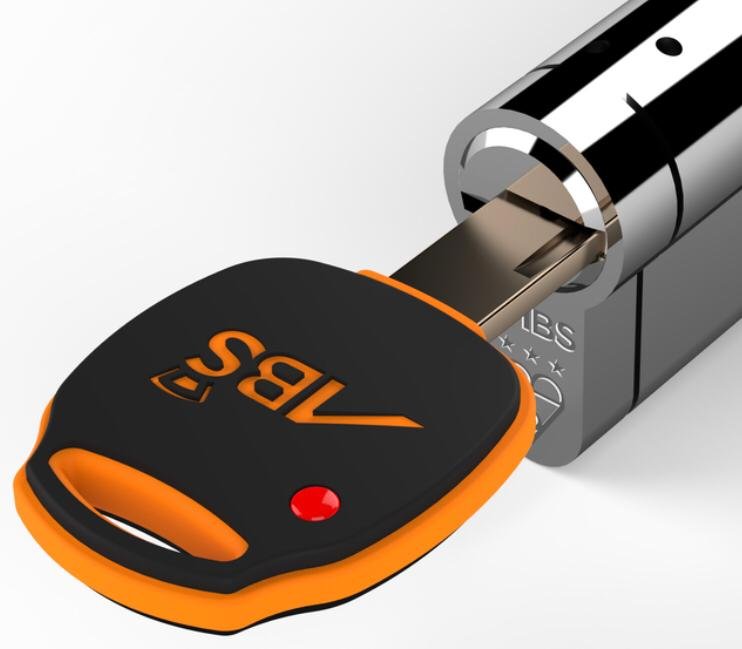
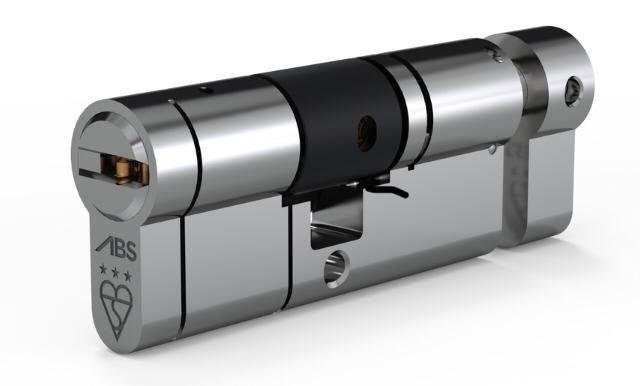
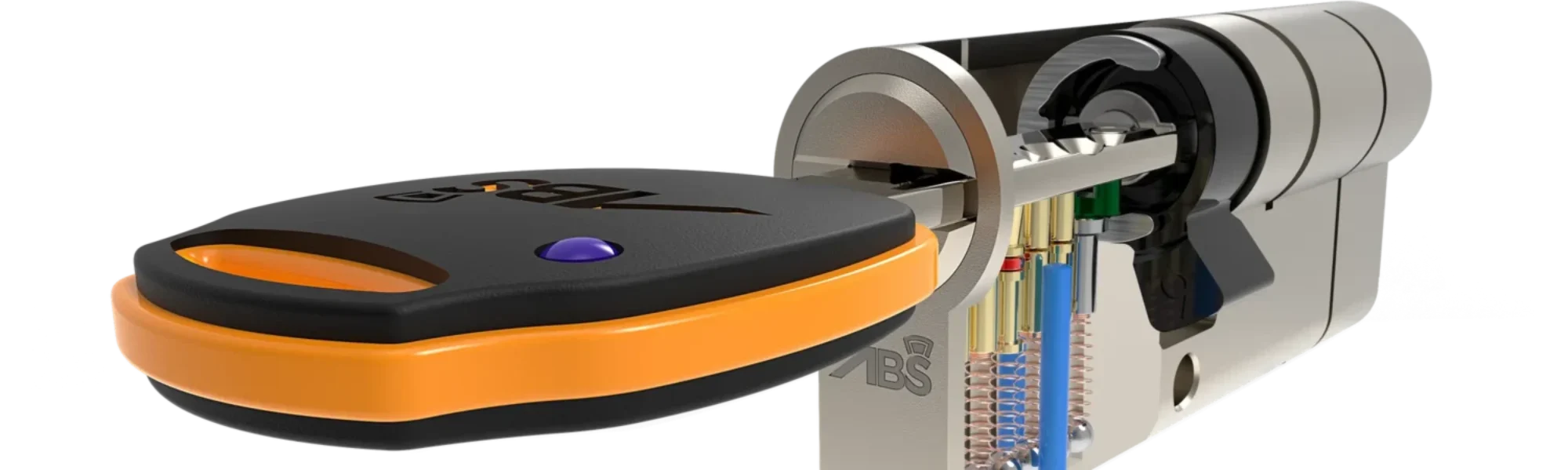
The Key Centre Criccieth is now an ABS Avocet recognised Key Centre, Stockiest of all ABS Keys and Security Key Cutting.
Automotive Keys
Key cutting is a fundamental service in the automotive industry, essential for replacing lost keys, creating spares, or repairing damaged ones. Here’s a breakdown of the process and key considerations:
1. Types of Automotive Keys
Before cutting, it’s crucial to identify the type of key. Modern vehicles often use one of these:
• Traditional Mechanical Keys: These are the simplest, with cuts and grooves that match the vehicle’s lock cylinders.
• Transponder Keys: These look like traditional keys but contain a microchip (transponder) that communicates with the car’s immobilizer system. Without the correct chip signal, the car won’t start, even if the key mechanically turns the ignition.
• Remote Head Keys: These combine a transponder key with a remote control for locking/unlocking the doors, trunk, and sometimes a panic alarm. The remote portion is integrated into the key head.
• Smart Keys/Key Fobs: These are typically found in vehicles with push-button start systems. They don’t need to be inserted into an ignition, but they transmit a signal that allows the car to start and unlock/lock. Many smart keys still have a hidden emergency mechanical key blade.
2. The Key Cutting Process
The method for cutting a key depends on its type:
• For Traditional Mechanical Keys:
1. Code Retrieval (if applicable): If a key is lost entirely, the key code (a series of numbers and letters that define the cut pattern) can sometimes be obtained from the vehicle manufacturer using the VIN.
2. Duplication: If an existing key is available, it’s placed in a key cutting machine alongside a blank key. The machine precisely traces the cuts of the original key onto the blank.
3. Manual Cutting: For older or unique keys, a skilled locksmith might cut the key manually using files and specialized tools.
• For Transponder, Remote Head, and Smart Keys (beyond mechanical cutting):
1. Mechanical Cut: The physical blade of the key (if applicable) is cut using the methods above.
2. Programming the Transponder/Remote: This is the critical step for modern keys.
• Diagnostic Tools: Specialized automotive diagnostic equipment is connected to the vehicle’s OBD-II port. This tool communicates with the car’s computer (ECU) to register the new key’s transponder chip or remote signals.
• Immobilizer Bypass/Reset: In some cases, the immobilizer system needs to be reset or put into “learn mode” to accept new keys.
• Security Codes: Often, a security code or PIN is required, which may be provided by the dealer or retrieved using specialized locksmith software.
• Onboard Programming: Some vehicles have a procedure to program new keys using existing working keys and a sequence of ignition turns and button presses. This is less common for “all keys lost” scenarios.
3. Equipment Used
• Key Cutting Machines: